Energy company profits are soaring with the Iran war. Here’s what California officials want to do
Sky-high earnings for oil companies and California refiners in the second quarter are renewing calls from state legislators to crack down on industry profits.
Read more What gets me so angry about California’s proposed billionaire tax
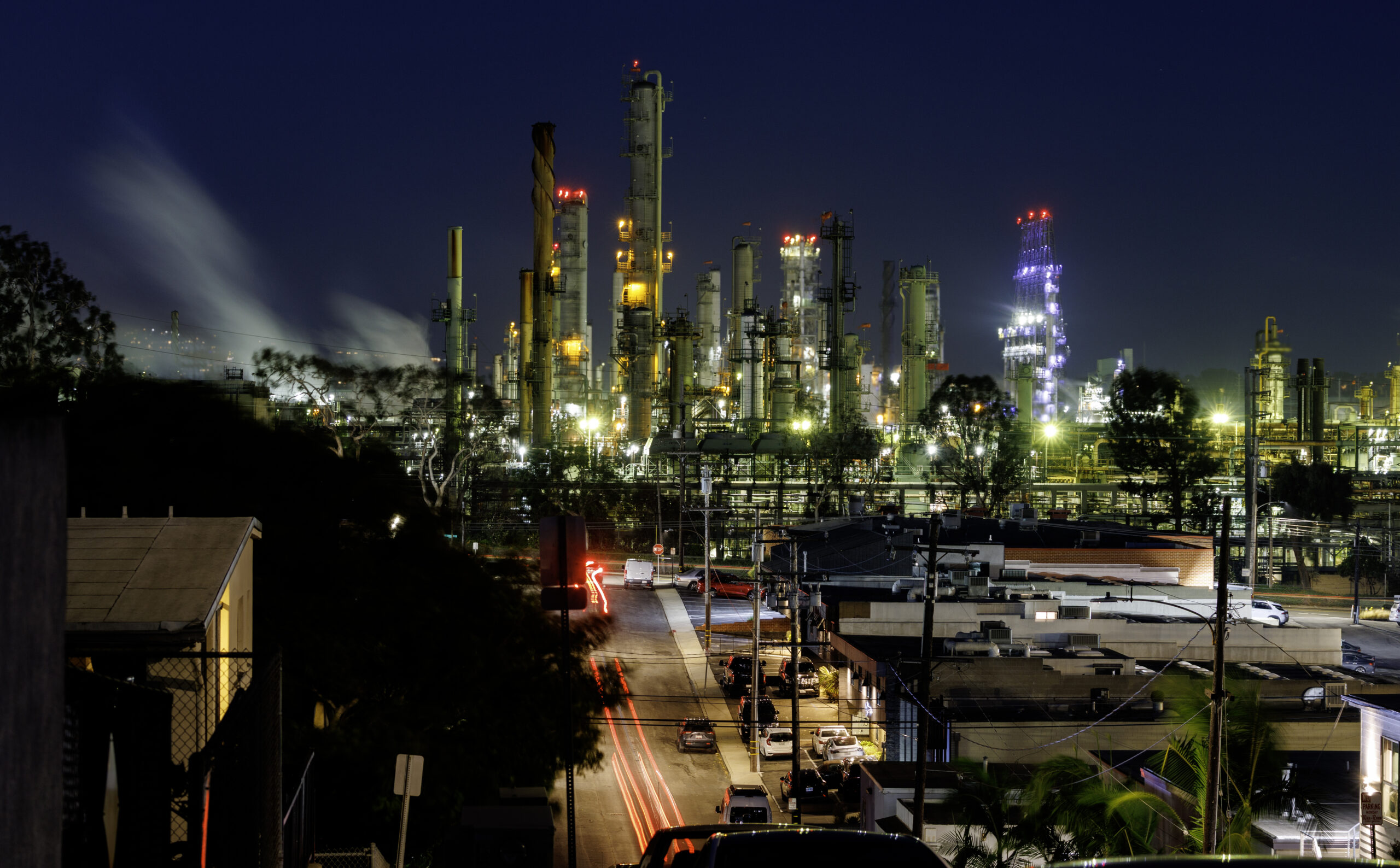
Marathon Petroleum, the second-largest refiner in the state, reported $5.1 billion in profit Tuesday, more than four times the same quarter last year, after fuel supplies tightened during the Iran war and prices for oil and gas soared.
From April through June, Chevron, the biggest refiner and second-biggest oil producer in California, made $12.1 billion in profit, nearly five times the same quarter last year, and its highest earnings in at least six years. Refiners PBF Energy and Valero also reported windfalls, with the latter earning $3.7 billion, another fivefold increase from the year before.
“These profits are absolutely obscene,” said state Sen. Josh Becker (D-Menlo Park), who along with Sen. Benjamin Allen (D-Santa Monica) has introduced a bill to give the state attorney general the power to prosecute price gouging in wartime. “There’s this notion that these companies can’t run profitably in California or whatever their excuses are, but these are obscene profits and we need to do what we can.”
Chevron said its performance reflected global operations, not state or regional results, and was driven by past investments.
“To meet consumer demand, in the past year we increased energy production nearly 20 percent and operated our refineries at roughly 97 percent capacity in the second quarter,” spokesperson Ross Allen said in an email.
The profits come at the expense of drivers, who in the U.S. saw gas prices jump between 30% and 50% since the war began. In California, which consistently had the country’s highest gas prices before the war, prices are still hovering over $5.60 a gallon.
The price spikes have prompted some legislators to say the state should stop requiring its cleaner-burning fuel blend established in the 1990s to help reduce air pollution. Refiners have often blamed these and other environmental requirements for the high price Californians pay for gasoline.
State Sen. Henry Stern (D-Los Angeles) has introduced a bill that would make it easier for California to sell regular gasoline and charge providers a fee that could go toward programs such as electric vehicle rebates.
Supporters, including the Union of Concerned Scientists and some environmental groups, say national gasoline standards and modern, cleaner-burning cars make the special California blend less necessary. Suspending it would make it easier to import cheaper gas from other states and reduce reliance on in-state refiners that produce the blend.
But the Western States Petroleum Assn. trade group opposes that, saying it would penalize California refiners that have already invested in making the cleaner fuel.
“It increases uncertainty for refiners, discourages investment in in-state production, and advances policy ideas that do nothing to improve fuel affordability or reliability,” a June opposition letter said.
The group is also fighting Becker’s bill, which would add war to the list of emergencies — such as natural disasters and pandemics — that can trigger California’s price-gouging laws. The laws cap price increases at 10% of pre-emergency levels.
Becker said he’s focused on evidence of price gouging in California specifically, where a small handful of refineries serve a relatively isolated market with limited alternatives for sourcing fuel.
He cited research from the group Consumer Watchdog showing that California gas prices ran $1.50 above the national average for 13 of the first 25 weeks of the year, 12 of them after the war started. Last year that happened for only two weeks. In 2024 it happened during only four.
The California Energy Commission doesn’t agree.
California gas prices always run higher than national averages, but increases during the war are in line with national trends, it said. Tai Milder, director of the agency’s fuels market watchdog, pointed to a different issue: Branded gasoline stations in the state charge 31 cents more per gallon on average than unbranded ones. Nationally the difference between branded and unbranded is about 6 cents.
Read more Five Amazon countries arrest hundreds in major crackdown on environmental crime
California Chevron stations have the highest prices of any brand, averaging $6.34 per gallon in May.
Separately, a federal class-action lawsuit filed in June by California drivers accused major gas chains of using AI software to collude and keep pump prices high.
The Western States Petroleum Assn. said branded gas can cost more for a number of reasons, including real estate costs and “proprietary gasoline additives for improved vehicle performance.”
“Branded products selling at a premium above a generic alternative is completely normal in any market,” spokesperson Jim Stanley said. “I cannot think of a single consumer good where that isn’t the case.”
Regarding the initiative to cap oil profits during wartime, he said, it would make California a less competitive market for securing imports and “risk shortages of the energy our economy depends on” as California has become increasingly reliant on imported fuels.
At the national level, several Democrats in Congress have also introduced legislation targeting windfall profits, including California Sen. Adam Schiff and Rep. Brad Sherman (D-Sherman Oaks). Both Stern’s and Becker’s bills face their next hurdle in the state Assembly Appropriations Committee Aug. 13.
Consumer Watchdog President Jamie Court backs Becker’s bill but said the state is ignoring the most valuable tool it already has to limit price spikes — a law Gov. Gavin Newsom signed in 2022 that allows the California Energy Commission to cap refinery profits.
Court said a cap at $1 per gallon, well above refiners’ 44-cent profit margins in January before the war started, already could have saved California drivers $611 million.
But since that law was signed, the shuttering of two major refineries in the state has left lawmakers and agencies skittish about regulating the facilities before electric vehicles have displaced the demand for gas.
The California Energy Commission has “de-prioritized” using its new authority to cap prices but “continues to analyze the data to better understand refining margins and the potential impacts to consumers” of setting a cap, spokesperson Niki Woodard said.
So far this year, the oil and gas industry has spent more than $17 million lobbying the state Legislature.
Global oil profits can in large part be tied to refining, since refinery closures due to attacks and crude oil shortages have exacerbated the fuel scarcity, said Bloomberg Intelligence analyst Brett Gibbs.
Marathon and Valero noted strong performance from their West Coast refineries, citing recent California refinery closures and increased availability of California crudes, in addition to the war. PBF Energy, which had its Martinez refinery out of commission from February 2025 to this May due to a fire, said it expected continued high profits in California over the quarters to come.
Research and analytics firm Wood Mackenzie estimates that oil company profits could rise to $495 billion this year if oil prices remain high and average around $90 per barrel. That’s more than double what companies expected when prices were $60 per barrel before the war.
Most companies are choosing to hold on to the windfall, rather than reinvesting in production, Tom Ellacott, vice president of corporate research at Wood Mackenzie, said.
Read more $207 billion saved for California from 82 lawsuits against Trump administration, Bonta says