Another sales tax hike? Rising costs a concern for L.A. voters in healthcare measure
It’s been years since Los Angeles County voters met a sales tax they didn’t like.
Read more California’s Democratic incumbents face primary challenges from political newcomers
They agreed to pay half a cent more at the cash register to fund buses, trains and pothole fillings in 2016. The next year, they gave a quarter-cent more to fund homeless services. In 2024, voters bumped it up to a half–cent.
But with the electorate in a dour mood and reeling from rocketing gas prices, some speculate voters’ willingness to tax themselves may be dwindling as ballots arrive for the June 2 primary election.
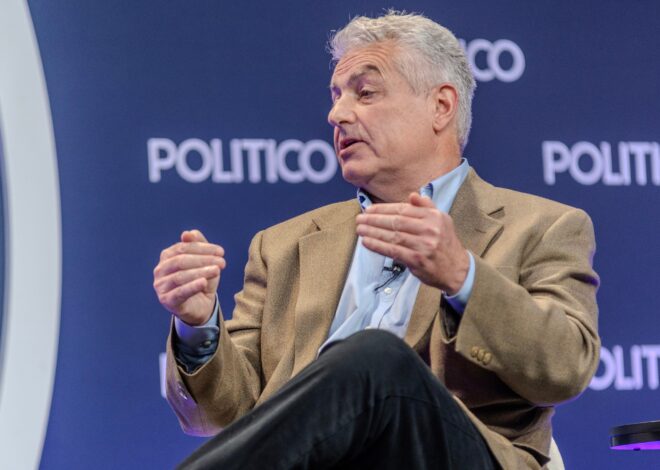
“This is going to be a tougher year for taxes than prior years,” said former supervisor Zev Yaroslavsky, who pushed through a property tax ballot measure in 2002 to fund the county’s trauma care network. “There’s a limit to the tolerance people have for increasing their own taxes.”
Los Angeles County voters will soon decide whether they want to pay a temporary half-cent sales tax to shore up the region’s public healthcare system, which is facing dramatic federal funding cuts. Officials estimate the county will lose more than $2 billion in healthcare funding over the next three years.
The county currently has a base sales tax rate of 9.75%, and cities impose additional local taxes on top of that. If approved, the tax would take effect Oct. 1 and last for five years. The exact tax rate would vary depending on the city.
Voters haven’t said no to a sales tax hike since 2012, when a transportation measure fell just short with 66.1% support. It needed 66.7% to pass.
The healthcare sales tax has a lower bar to clear. The supervisors voted to put the measure on the ballot as a general tax, which gives them more leeway with how the money is spent and only requires a simple majority to pass.
But even that threshold may prove difficult. Polling from March suggested the measure was losing among L.A. city voters, who are often more generous than county voters at large. Angelenos will also find their ballot crowded with other tax hike proposals, which may leave some voters feeling picky.
Read more Tom Steyer courts Latinos in Santa Ana. A young voter wonders if it’s just a show
“People have a very discerning instinct,” said Yaroslavsky. “They will pick and choose what they think is important.”
Despite no organized opposition, a flurry of cities, as well as the editorial board of the Los Angeles Daily News, have loudly spurned the idea, arguing it will make the region even less affordable.
“It’s just terrible timing,” said Paul Little, the head of the Pasadena Chamber of Commerce. “Costs are going through the roof for everything.”
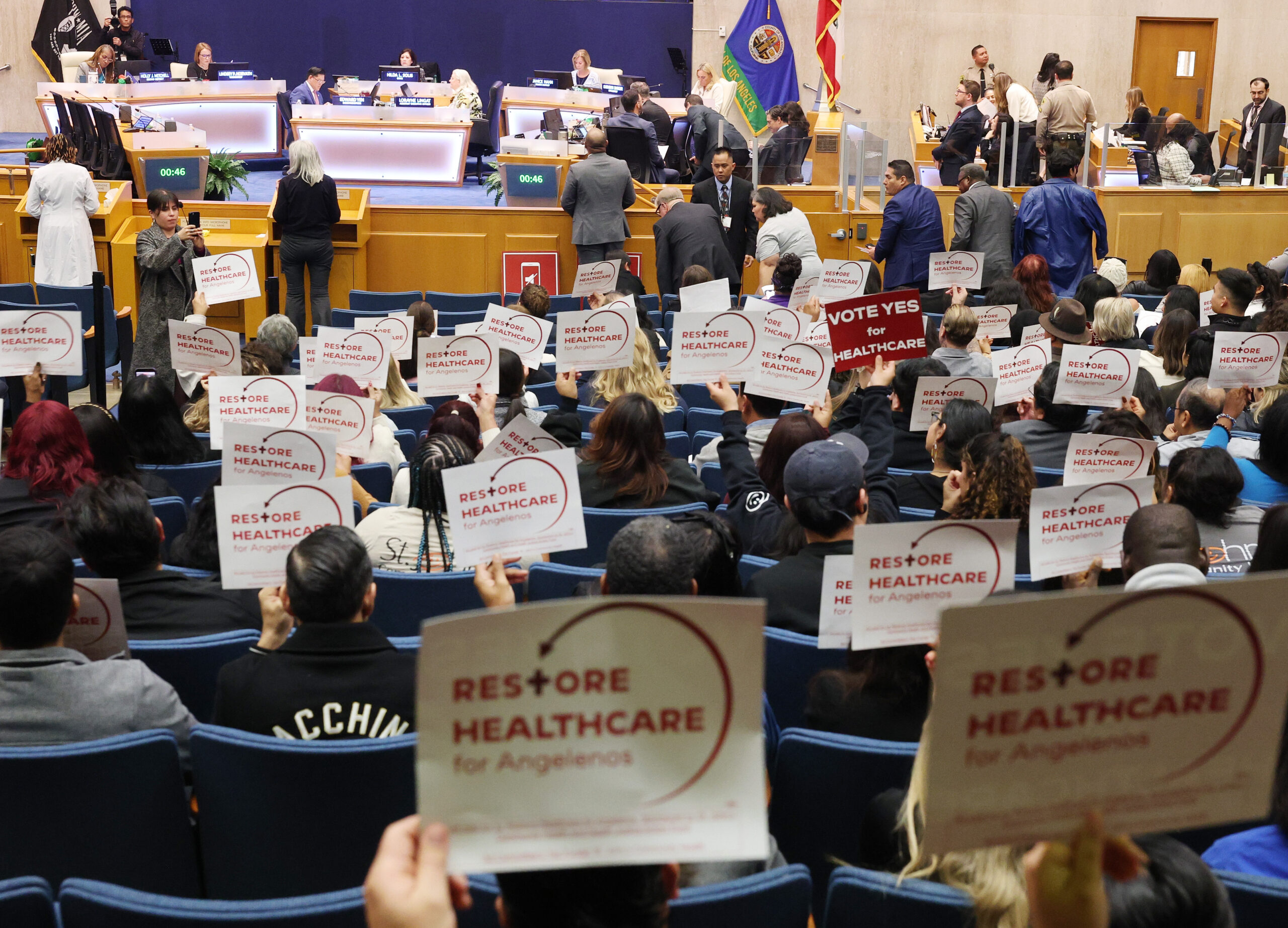
With weeks to go until election day, healthcare workers and advocates supporting the measure have gone full steam ahead with mailers, marches and a social media campaign depicting a wallowing penny finding its lost sense of purpose with the measure. The campaign’s top funders are St. John’s Community Health and SEIU, who frame the measure as life or death for thousands of uninsured residents.
“Think about that person you know in your family who is asthmatic and relies on that inhaler, who has rheumatoid arthritis, who is diabetic,” said Supervisor Holly Mitchell at a recent town hall held in support of the measure. “And think about whether or not you’re willing to spend a half a penny — 50 cents on every hundred dollars — to make sure that that family, friend or neighbor gets what they need to be healthy.”
The supervisors voted 4-1 to put the sales tax on the ballot. Supervisor Kathryn Barger was the lone no vote.
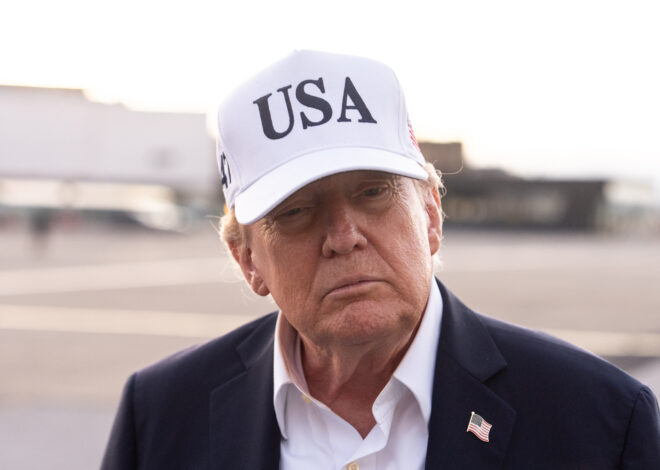
Supporters say the One Big Beautiful Bill Act, signed by President Trump last July, is an existential threat to the public health system, leaving the county without reimbursement for the medical care of many Californians who are losing Medi-Cal coverage. The looming multibillion-dollar hole in the budget raises the prospect of hospital cutbacks, staff layoffs and possible emergency room closures, they say.
Read more More than a media mogul, Ted Turner leaves behind a conservation legacy